A lush, green lawn isn’t just about curb appeal. When properly cared for, turfgrass becomes a powerful environmental asset—stabilizing soil, filtering water, capturing carbon, and creating a healthier outdoor space for families and communities. Fertilizer and weed control treatments, when applied responsibly, play a key role in supporting these benefits.
Below is a deeper look at why these treatments matter and how they contribute to a healthier landscape.
How Does Fertilizer Help Build a Strong, Resilient Lawn?
Grass is a living organism that requires nutrients to thrive. Fertilizer provides the essential building blocks—nitrogen, phosphorus, and potassium—that support long-term lawn health.
Key Benefits
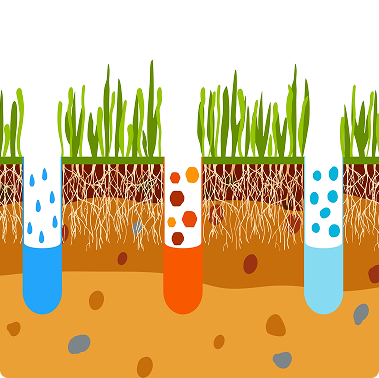
•Stronger root systems: Deep, well-fed roots anchor soil, improve drought tolerance, and reduce erosion.
•Thicker turf density: Dense grass naturally crowds out weeds and creates a soft, safe surface for kids and pets.
• Improved soil structure: Modern fertilizers (especially slow-release blends) help maintain balanced soil biology and nutrient cycling.
•Greater resilience: Fertilized lawns recover faster from heat, foot traffic, pests, and seasonal stress.
How Does Weed Control Protect Your Lawn’s Health and Stability?
Weeds aren’t just cosmetic problems—they disrupt the entire lawn ecosystem.
Why Weed Control Matters
•Reduces competition: Weeds steal water, nutrients, and sunlight from turfgrass.
•Prevents invasive spread: Many weeds spread aggressively and can take over entire sections of a yard.
•Supports soil stability: Deep-rooted weeds can disrupt soil structure, making erosion more likely.
•Improves turf density: When weeds are removed, grass fills in naturally, creating a healthier, more uniform lawn.
What Environmental Benefits Can a Healthy Lawn Provide?
Healthy lawns do far more than look good—they actively support the environment when maintained with responsible fertilizer and weed control practices.
Erosion Control and Soil Stabilization
A thick, well-fed lawn is one of the most effective natural erosion barriers.
•Dense roots hold soil in place, preventing runoff during heavy rain.
•Reduced sediment pollution: Stabilized soil means fewer particles wash into storm drains, streams, and rivers.
•Protection for slopes and hillsides: Fertilized turf is especially important on properties with grade changes, where erosion risk is highest.
How Do Healthy Lawns Improve Water Filtration and Protect Groundwater?
Healthy turf acts like a natural filter.
•Grass captures and breaks down pollutants before they reach waterways.
•Dense turf slows water movement, allowing more water to soak into the ground instead of running off.
•Weed-free lawns reduce the need for excessive watering, because turfgrass becomes more efficient at retaining moisture.
How Do Lawns Improve Air Quality and Capture Carbon?
A thriving lawn contributes to better air quality.
•Turfgrass absorbs carbon dioxide and stores carbon in the soil.
•Healthy lawns produce oxygen, improving local air quality.
•Weed control reduces allergen-producing plants, making outdoor spaces more comfortable for families.
How Do Fertilizer and Weed Control Support Soil Microbes and Beneficial Organisms?
Modern lawn care programs increasingly focus on soil health.
•Balanced fertilization supports microbial activity, which improves nutrient cycling.
•Healthy soil biology reduces disease pressure, meaning fewer interventions are needed over time.
•Weed-free lawns allow beneficial insects to thrive, especially when paired with organic or low-impact treatments.
How Can Healthy Turfgrass Help Reduce Heat and Regulate Temperature?
Grass-covered areas stay significantly cooler than bare soil or pavement.
• Healthy turf can be 20–30°F cooler than hard surfaces.
•Dense lawns reduce heat islands, especially in suburban neighborhoods.
•Fertilized grass maintains color and density, which improves cooling efficiency.
Why Fertilizer and Weed Control Work Best Together
When combined, these treatments create a self-reinforcing cycle of lawn health:
•Fertilizer strengthens grass → strong grass crowds out weeds.
•Weed control removes competition → grass grows thicker and healthier.
•Thick turf improves soil health → soil supports even stronger grass.
This synergy leads to a lawn that is not only beautiful but environmentally beneficial.
The Big Picture: A Healthy Lawn Is a Healthy Ecosystem
When applied responsibly and at the right times of year, fertilizer and weed control treatments:
•Strengthen soil
•Reduce erosion
•Improve water quality
•Capture carbon
•Support beneficial organisms
•Create safer, more enjoyable outdoor spaces
A well-maintained lawn is more than a cosmetic upgrade—it’s an investment in the long-term health of your property and the environment around it.
Ready to build a healthier, greener lawn?
At Beat The Weeds, we use responsible fertilizer and weed control programs designed to strengthen your lawn while protecting the environment. Our science-backed treatments help your grass grow thicker, resist weeds naturally, and support long-term soil health.
Contact us to learn more or request a free lawn evaluation.