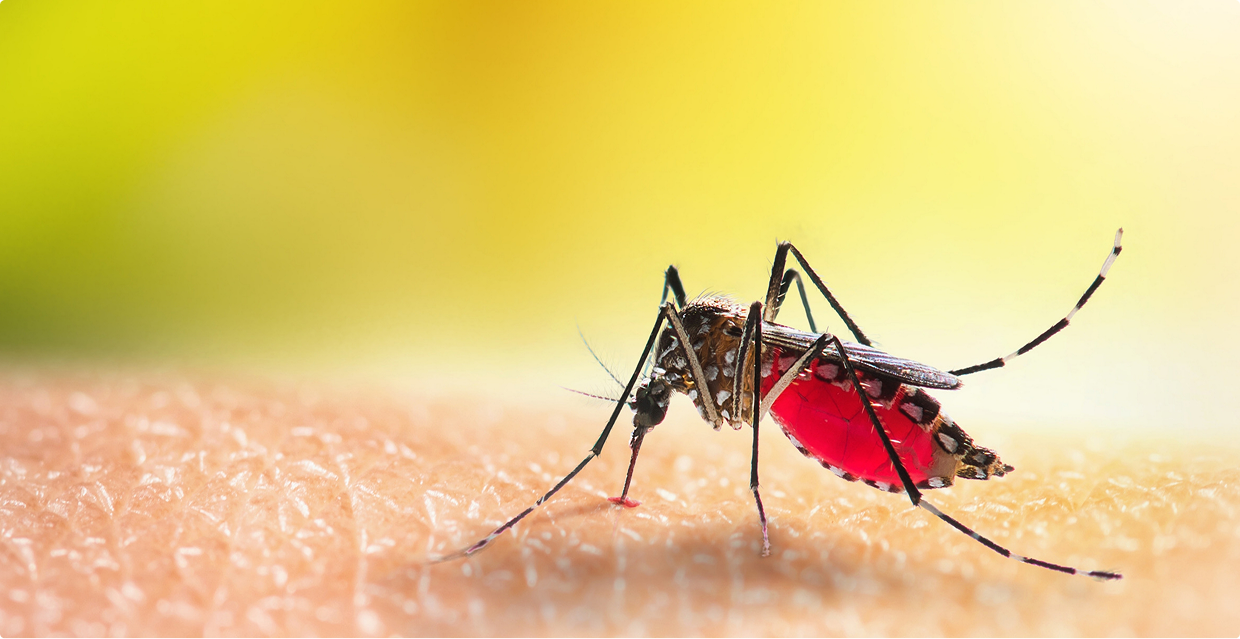
As spring and summer settle in across Pennsylvania and Delaware, time spent outdoors becomes a daily highlight—until the mosquitoes arrive. These buzzing pests aren’t just a nuisance; they’re also known carriers of serious illnesses like West Nile virus and Eastern Equine Encephalitis (EEE). In 2023 alone, Pennsylvania reported 22 confirmed human cases of West Nile virus, with dozens more mosquito pools testing positive across multiple counties. Delaware, while smaller, saw a noticeable uptick in mosquito activity as well, prompting statewide control efforts. With the right conditions—like standing water and warm, humid weather — mosquito populations can explode quickly, turning your backyard into a health hazard.
But beyond the obvious health concerns, there is also a quality-of-life issue. Mosquitoes can turn evening cookouts, gardening sessions, or playtime with the kids into a constant battle against bites and buzzing. A single female mosquito can lay up to 300 eggs at a time, meaning infestations can escalate fast. In coastal and wooded areas of Delaware and southeastern Pennsylvania, the issue is especially pronounced due to marshlands and high humidity levels that make ideal breeding grounds. For many homeowners, mosquito control isn’t a luxury—it’s a necessity for enjoying their outdoor spaces without constant discomfort or risk.
There’s often a concern, though, about the impact of mosquito control on the environment—especially on important pollinators like bees and butterflies. It’s a valid worry. Fortunately, there are safe and responsible ways to approach mosquito treatment. At Beat the Weeds, the materials used are carefully selected to target mosquitoes while minimizing risk to non-target species. Just as importantly, technicians are trained specifically to protect pollinators by avoiding application near flowering plants, beehives, or known butterfly habitats. This blend of selective treatment and knowledgeable application helps support local ecosystems while still reducing mosquito populations effectively.
For those looking for an even gentler option, fully organic mosquito control solutions are available and gaining popularity throughout the region. These plant-based treatments offer effective protection without synthetic chemicals, making them safe for children, pets, and the environment. As mosquito seasons in Pennsylvania and Delaware grow longer and more intense due to changing climate patterns, investing in thoughtful, eco-conscious mosquito control isn’t just smart—it’s becoming essential for healthy, enjoyable outdoor living.